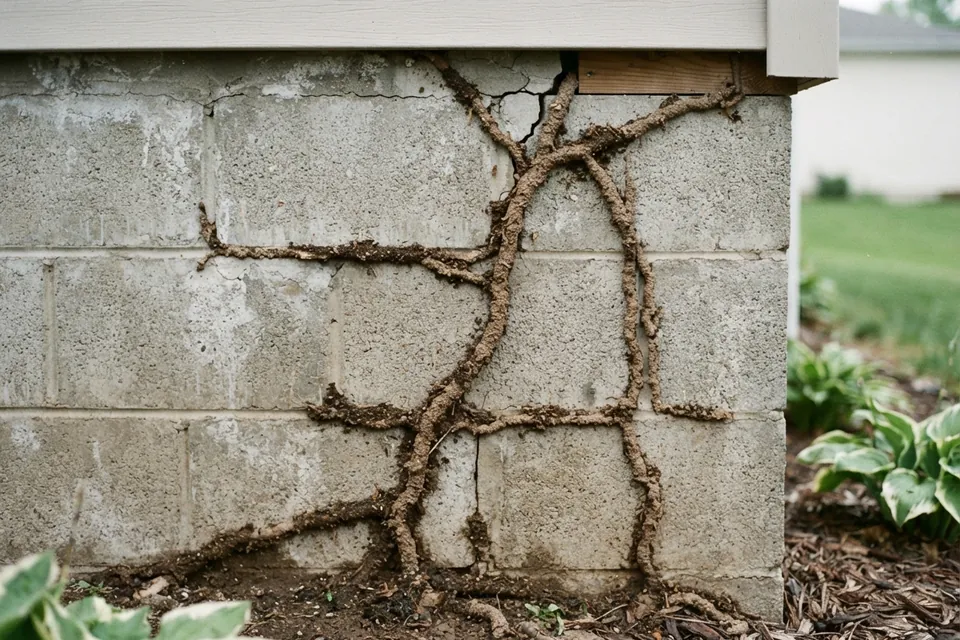
Texas A&M AgriLife Extension says termite swarming begins in South Texas in January and February. Signs include wings or bodies of swarmers on window sills, mud tubes on outside walls, and damaged wood. Leave any tubes intact, seal a few swarmers in a container, and book an inspection with a company you have found on TDA's license list.
Key facts
- Most common in homes
- Native subterranean termite (Bexar County extension, 2005)
- Also in Bexar County
- Formosan termites
- Swarming starts
- January and February in South Texas (AgriLife E-368)
- Main swarm period
- Spring and early summer
- Signs
- Swarmer wings on sills, mud tubes, damaged wood
- Pesticide exposure
- Texas Poison Center Network, 1-800-222-1222
Bexar County's termites
In a 2005 column, Bexar County IPM specialist Molly Keck of Texas Cooperative Extension (now Texas A&M AgriLife Extension) wrote that the native subterranean termite is the most common type of termite found in San Antonio homes. The same column reported that Formosan termites had been discovered in Bexar County. It's an older source, so let the inspector tell you which one you have.
Swarm months
AgriLife's subterranean termite publication, E-368, says swarmers (primary reproductives) leave the colony in large numbers during the spring and early summer, and that swarming begins in South Texas in January and February. The publication covers subterranean termites and doesn't define where South Texas starts, so don't rule out termites just because of the month.
Three things to look for
- Wings or bodies of swarmers on window sills.
- Mud tubes on outside walls.
- Damaged wood inside or around the house.
E-368 lists all three as signs of infestation. Any one of them is reason to have the house inspected.
Want a price for your home? Call a local pest control company for a written quote.
Phone line opening soonBefore the inspector arrives
- Leave the mud tubes intact. Scraping them off hides what the inspector needs to see.
- Bag a sample. Sweep a few swarmers or loose wings into a jar or zip bag and close it, so the company can identify them.
- Take photos of the tubes, the wings and any soft or damaged wood, and write down the date and room.
- Don't treat termites yourself. If you use any household product on stray insects, read and follow its label and keep children and pets clear. After a pesticide exposure, call the Texas Poison Center Network at 1-800-222-1222; call 911 if someone has trouble breathing.
- Check the license, then book. Look for the company in the commercial business file on the TDA Current Licenses page before you schedule the inspection.
In Texas, treatment for wood destroying insects starts with a written estimate. What has to come with it is on the termite treatment cost page.
When you call: 4 questions to ask
- What business name should I look for on TDA's structural pest control license list?
- Who is your Responsible Certified Applicator?
- For termites, will I get a written estimate and disclosure documents before you treat?
- Do you offer a warranty, and what does it cover?
A fair written quote shows the pest found, the treatment planned, the total price, any warranty terms and the label of each pesticide recommended. Check any contractor's license on the Texas Department of Agriculture's current pest control license lists before work starts.
What happens when you call
- You're connectedStraight to a local pest control company that serves your area and takes calls like yours.
- You get a priceDescribe the problem, ask for a written quote and their license number. No obligation.
Common questions
What month do termites swarm in San Antonio?
AgriLife's E-368 says swarming begins in South Texas in January and February, and swarmers leave the colony in large numbers during the spring and early summer.
Are Formosan termites in Bexar County?
A 2005 Texas Cooperative Extension column from Bexar County reported that Formosan termites had been discovered in the county.
What should I do with swarmers I find indoors?
Sweep a few swarmers or wings into a closed container for the inspector, take photos, and have a licensed company inspect.
Can I spray for termites myself?
This guide doesn't cover treating termites yourself. Have a company you've found on TDA's license list inspect the house and give you a written estimate.
Related guides
Sources
- Texas Cooperative Extension, Bexar County: The ways and means of termites, part 1 (2005)
- Texas A&M AgriLife Extension: Subterranean termites (E-368)
- Texas Department of Agriculture: Structural Pest Control Reports, Current Licenses
- Texas Poison Center Network
- Texas Department of Agriculture: Rule 7.174, wood destroying insect treatment disclosure documents
Costs are typical ranges. Your quote depends on your home. Rules and rebates change; check the original source before you rely on a figure. Something wrong? Tell us via the contact on the Impressum page.